Trezor Login: A Complete Guide to Accessing Your Cryptocurrency Wallet Securely
In the rapidly evolving world of cryptocurrency, security is paramount. Digital assets are vulnerable to hacks, phishing attempts, and loss of private keys, which can result in permanent loss of funds. That’s where Trezor, one of the most trusted hardware wallets on the market, comes into play. It provides a secure and user-friendly way to store, manage, and access cryptocurrencies. A crucial aspect of using Trezor effectively is understanding the Trezor login process, including the tools, safety measures, and best practices for maintaining account security.
What Is a Trezor Wallet?
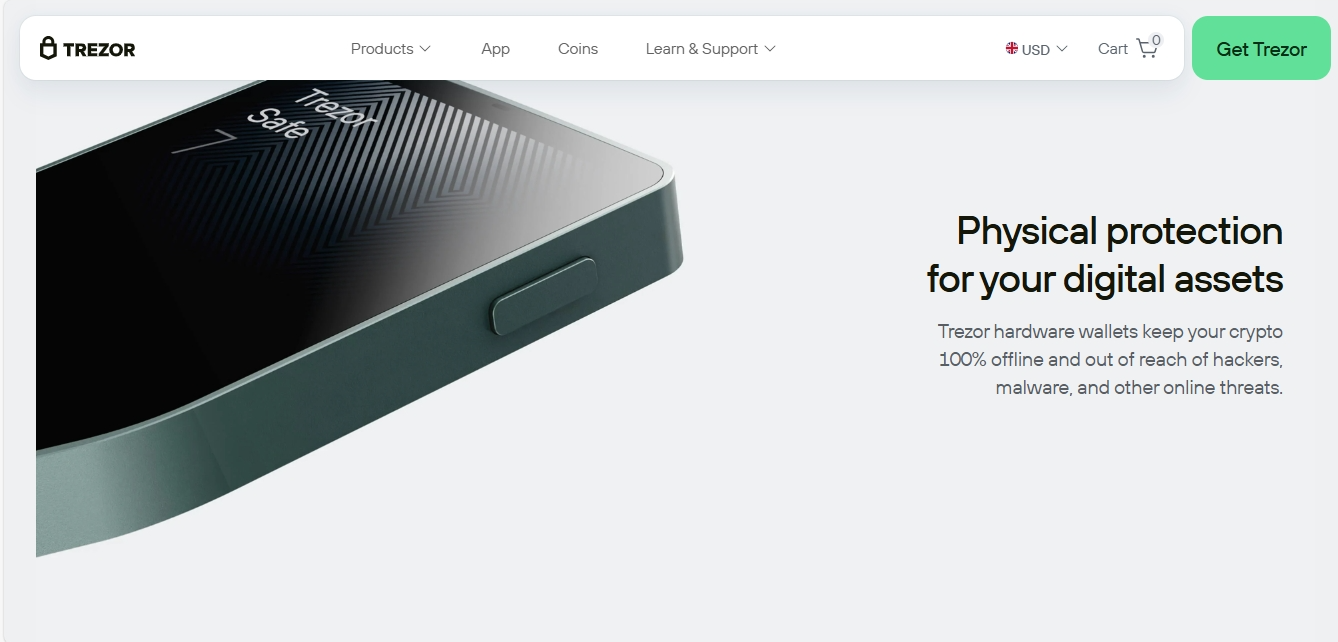
A Trezor wallet is a hardware device designed to securely store private keys offline. Private keys are the cryptographic codes that give you ownership of your cryptocurrency. Unlike software wallets or online exchanges, Trezor keeps your keys disconnected from the internet, significantly reducing the risk of hacks.
Trezor supports hundreds of cryptocurrencies, including Bitcoin (BTC), Ethereum (ETH), Litecoin (LTC), and more. Its primary advantage is its offline security, combined with a user-friendly interface that allows even beginners to manage their crypto holdings without risking exposure to malicious actors.
Why Login Security Matters
Logging into your Trezor wallet might seem straightforward, but it’s critical to understand that the device itself doesn’t function like a traditional online login system. Your access relies on physical possession of the Trezor device, along with a PIN code and a recovery seed.
This three-layer security ensures:
- Protection against online attacks – Since your keys are offline, hackers cannot steal them remotely.
- User authentication – Only someone with your device and PIN can access your wallet.
- Recovery capability – If your device is lost or damaged, your recovery seed can restore access.
Understanding these layers is essential for safe Trezor usage.
How to Set Up Trezor for the First Time
Before logging in for the first time, you need to initialize your Trezor device. Here’s a step-by-step guide:
- Unbox and Connect – Plug your Trezor device into your computer or mobile device using the provided USB cable.
- Visit the Official Trezor Website – Go to trezor.io/start and follow the setup instructions. Avoid unofficial websites to prevent phishing attacks.
- Install Trezor Suite – This is Trezor’s official application for wallet management. It can be installed on Windows, macOS, Linux, or accessed via a browser extension.
- Create a PIN – The device will prompt you to set up a PIN. This PIN is required for every login attempt and protects against unauthorized access if your device is lost or stolen.
- Backup Your Recovery Seed – During setup, Trezor generates a 12- or 24-word recovery seed. Write it down carefully and store it offline. This seed is essential for recovering your wallet if your device is lost.
Once these steps are completed, your Trezor wallet is ready for use, and you can proceed to login securely.
How Trezor Login Works
Unlike online wallets, Trezor does not have a traditional username-password login. Accessing your wallet involves a combination of hardware verification, PIN entry, and device confirmation. The process is as follows:
- Connect Your Trezor Device – Plug the Trezor into your computer or mobile device.
- Open Trezor Suite – Launch the Trezor Suite application or web interface.
- Enter Your PIN – Input the PIN directly on the device. Trezor uses a randomized number grid on the screen to prevent keylogging attacks.
- Authenticate Transactions – Whenever you send cryptocurrency, you must physically confirm the transaction on the device. This prevents unauthorized access even if your computer is compromised.
This process ensures that even if your computer is hacked, your funds remain safe.
Common Login Issues and Troubleshooting
While Trezor is user-friendly, users occasionally encounter login problems. Here are some common issues and solutions:
- Device Not Recognized: Ensure your USB cable is functioning correctly and that your Trezor firmware is up-to-date.
- Forgotten PIN: If you forget your PIN, the only way to regain access is by using your recovery seed to reset and restore your wallet.
- Recovery Seed Issues: Double-check that your seed words are in the correct order. Keep them offline to prevent phishing or theft.
- Browser or App Errors: Ensure you’re using the official Trezor Suite or a supported browser. Clear your cache or try reinstalling the app if issues persist.
Best Practices for Secure Trezor Login
To maximize the security of your Trezor wallet, follow these best practices:
- Use Official Sources Only – Always download Trezor Suite from the official website. Avoid third-party apps.
- Keep Your PIN Confidential – Never share your PIN. Avoid writing it down or storing it digitally.
- Store Recovery Seed Safely – Consider storing your recovery seed in a fireproof safe or secure offline location. Never share it online.
- Regular Firmware Updates – Trezor occasionally releases firmware updates that patch vulnerabilities and enhance security.
- Avoid Public Computers – Always login from personal, secure devices to reduce exposure to malware or keyloggers.
Advanced Features of Trezor Login
Trezor isn’t just a simple wallet; it has several advanced features that enhance login security:
- Passphrase Protection: An optional passphrase acts as an additional word added to your recovery seed, creating a “hidden wallet” that adds another layer of protection.
- Multi-Currency Management: Trezor allows you to manage multiple cryptocurrencies in one device, each requiring device confirmation for transactions.
- Two-Factor Authentication (2FA): While the Trezor login itself doesn’t rely on traditional 2FA, the device can integrate with services requiring it, offering additional protection for exchanges and accounts.
Why Trezor Login Is Safer Than Software Wallets
Hardware wallets like Trezor provide a security advantage over software wallets for several reasons:
- Offline Storage: Your private keys are never exposed to the internet.
- Physical Verification: Transactions require your physical confirmation, reducing the risk of remote hacks.
- Resistant to Malware: Even if your computer is infected, your funds cannot be stolen without the device.
- Recovery Options: The recovery seed ensures that you can restore your wallet even if the device is lost or damaged.
Conclusion
Logging into a Trezor wallet is more than just a simple step in accessing your cryptocurrency—it’s a critical part of maintaining the security and integrity of your digital assets. With a combination of physical device authentication, PIN codes, and recovery seeds, Trezor provides a secure and user-friendly solution for both beginner and advanced cryptocurrency users.
By following setup instructions carefully, using official software, and adhering to best security practices, you can confidently manage and protect your digital wealth. Remember, in the world of cryptocurrency, security isn’t optional—it’s essential. Your Trezor login is the gateway to your assets, and safeguarding it ensures peace of mind in an increasingly digital financial world.